Ask a Doc - Thyroid Disease
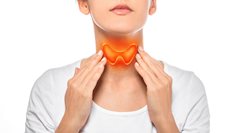 Thyroid disease is a general term for a medical condition that prevents the thyroid gland from producing the correct amount of hormones that regulate metabolism. Ensuring that the thyroid gland is healthy and functioning properly is important for the body’s overall well-being. Thyroid disease affects as many as 30 million Americans, and more than half remain undiagnosed. Several disorders can arise if the thyroid produces too much hormone, hyperthyroidism, or not enough, hypothyroidism. A person
may experience a variety of symptoms. Unfortunately, symptoms of a thyroid condition are often very similar to the signs of other medical conditions making it difficult to know if the symptoms are related to a thyroid issue or something else.
The thyroid gland is part of the endocrine system and is a small, butterfly-shaped gland located in the base of the neck below the Adam’s apple that influences the function of many of the body’s most important organs, including the heart, brain, liver, kidneys, and skin. The thyroid creates two hormones, triiodothyronine (T3) and thyroxine (T4), that travel throughout the body to regulate blood pressure, body temperature, heart rate, metabolism, and reactions to other hormones. The level of hormones produced by the thyroid is controlled by the pituitary gland. The pituitary gland creates a thyroid-stimulating hormone that signals the thyroid to produce and release the correct amount of hormone to meet the body’s needs. In turn, the pituitary gland responds to signals from the T3 and T4 hormones that the thyroid produces, as well as from a part of the brain called the hypothalamus which releases
thyrotropin-releasing hormone.
For the most part, the symptoms of thyroid disease can be divided into two groups, those related to hyperthyroidism and those related to hypothyroidism. The symptoms are often “opposite” between the two conditions because hyperthyroidism speeds up the metabolism, and hypothyroidism slows down the metabolism. Hyperthyroidism may be caused by an autoimmune disease called Graves’ disease, a metabolically active thyroid nodule, or a short-lived thyroid gland inflammation. Graves’ disease can be treated with medication, radioactive iodine therapy, or surgery. Graves’ disease can lead to Graves’
ophthalmopathy, or thyroid eye disease, which can cause vision loss, eye pain, or bulging eyes.
Symptoms of hyperthyroidism may include:
- Losing weight without trying
- Rapid heart rate
- Sweating
- Diarrhea
- Nervousness
- Muscle weakness
- Thinning skin and brittle hair
One of the most common problems affecting the thyroid gland is hypothyroidism which occurs when the gland stops making enough hormone. The most common cause of hypothyroidism is Hashimoto’s thyroiditis, an autoimmune disorder that ultimately causes the gland to stop working. Hypothyroidism is treated with thyroid hormone medicine that is effective when taken at the correct dose. If left untreated, hypothyroidism can lead to high cholesterol and heart problems over time. In the early stages, hypothyroidism may not cause noticeable symptoms.
Symptoms of hypothyroidism may vary, and can include:
- Fatigue
- Weight gain
- Constipation
- Dry skin
- Coarse hair and skin
- Muscle weakness
- Slowed heart rate
Consider visiting a primary care professional if signs and symptoms of hypothyroidism or hyperthyroidism are present, or if a nodule in the lower front of the neck can be felt. The healthcare team will take a detailed medical history and perform a physical exam including laboratory testing and possibly a neck ultrasound. If warranted, the primary care physician may make a referral to an endocrinologist or an ear, nose, and throat specialist.
| Posted On : 1/12/2026 12:00:00 AM