Easily Obtainable Synthetic Drugs Pose Serious Health Risks
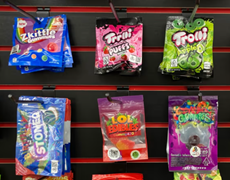 Synthetic drugs, which are easily obtainable at gas stations, convenience stores, vape shops, and online, contribute to a public perception of low risk, but do pose serious health concerns. The substances are not regulated by the Food and Drug Administration (FDA) and are typically designed to mimic the effects of controlled substances prescribed by a physician or offer the same intoxication as illegal drugs. Such products are often marketed as mood enhancers, anxiety relief, herbal products, and dietary supplements, and can be addictive and lead to serious withdrawals. Many are sold in similar packaging as actual products such as candy or snacks. Because the FDA does not control these substances, quality, purity, and safety are unknown, and those who ingest the products face the threat of poisoning and toxicity.
Earlier this year, the FDA issued a warning concerning tianeptine, a product commonly referred to as “Gas Station Heroin” and the most recent drug to be sold among regular products. Tianeptine is an available medicine in some European, Asian, and South American countries used to treat anxiety, depression, and irritable bowel syndrome. Product names include Tianaa, Zaza, Neptune’s Fix, Pegasus, and TD Red. According to recent case reports, tianeptine is abused for its euphoric properties similar to other opioids. Severe adverse health effects, including respiratory depression, severe sedation, and death, have occurred from the misuse of tianeptine.
Delta-8 THC and synthetic marijuana have been available for some time. Tetrahydrocannabinol (THC) is a cannabinoid found in the cannabis plant and is the principal psychoactive compound. Delta-8 THC exists naturally in small quantities in the cannabis plant. Cannabidiol (CBD), another active cannabinoid found in the cannabis plant, is not psychoactive and does not cause intoxication. However, CBD can be synthetically converted into delta-8 THC with a solvent, acid, and heat. The conversion process may create harmful by-products. Delta-8 THC is sold for use in vapes, drops, gummies, chocolates, and infused beverages. Effects of the product include dry mouth, red eyes, anxiety, drowsiness, confusion, impaired coordination, vomiting, loss of consciousness, and seizures.
K2 and Spice are among the many trade names or brands for synthetic designer drugs that are intended to mimic THC and are marketed and sold under the guise of “herbal incense” or “potpourri.” The products are being abused for the psychoactive properties and are packaged without information as to health and safety risks. The adverse effects include elevated heart rate and blood pressure, unconsciousness, tremors, seizures, vomiting, hallucinations, agitation, anxiety, pallor, numbness, and tingling. In some instances, the adverse health effects can be long-lasting even after the user quits using the substances.
Kratom is a tropical tree native to Southeast Asia. Consumption of the leaves produces stimulant effects in low doses and sedative effects in high doses, and can lead to psychotic symptoms and psychological or physiological dependence. The leaves are crushed and then smoked, brewed with tea, or placed into gel capsules. In the U.S., the abuse of kratom has increased markedly in recent years. Common product names include Thang, Kakuam, Thom, Ketum, and Biak. At high doses, the products may cause sedation, hallucinations, delusion, confusion, nausea, itching, sweating, dry mouth, constipation, increased urination, and loss of appetite. Long-term use can cause anorexia, weight loss, and insomnia. Kratom is often used as a self-withdrawal from opioid use.
Synthetic stimulants often referred to as “bath salts” are from the synthetic cathinone class of drugs which are central nervous stimulants and designed to mimic effects similar to those produced by cocaine, methamphetamine, and ecstasy. Users may sniff, snort, smoke, orally ingest, or dissolve and inject the substance. Product names include Bliss, Blue Silk, Cloud Nine, Drone, Energy-1, Ivory Wave, Lunar Wave, Meow Meow, Ocean Burst, Pure Ivory, Purple Wave, Red Dove, Snow Leopard, Stardust, Vanilla Sky, White Dove, White Knight, and White Lightning. The products create psychological effects such as confusion, acute psychosis, agitation, combativeness, aggression, violent or self-destructive behavior, paranoia, hallucinations, and delusions. Adverse or toxic effects include rapid heartbeat, hypertension, hyperthermia, breakdown of muscle fibers, headaches, heart palpitations, and seizures.
These and many similar products can be easily found in local gas stations and convenience stores at eye level or near products that children may be interested in purchasing. The packaging appeals to youth and may utilize names similar to authentic snack and candy products, such as Cannanimal Crackers, Dank Funions, and Stoner Patch. The Federal Trade Commission and FDA have sent cease-and-desist letters to several companies marketing products that could violate copyright laws or pose a potential threat to unsuspecting youth; however, new products continue to be marketed and sold. Parents should carefully inspect labels of any item that a child has purchased to ensure the product is safe for consumption.
| Posted On : 10/15/2025 2:22:18 PM