LMH Rated Excellent in Sepsis Care
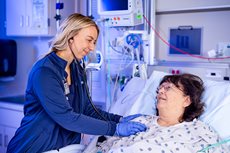 Sepsis is a complication that occurs when a patient has an extreme response to an infection. It causes damage to organs in the body and can be life-threatening if not treated. If sepsis becomes severe enough or develops into septic shock, the chances of death increase significantly.
On average, over 270,000 people in the United States die from sepsis every year. Anyone can develop sepsis, but older adults and people with weak immune systems have a higher risk for developing sepsis and a greater chance of dying from severe sepsis or septic shock. Early identification of sepsis and early appropriate care can lower the risk of death from sepsis.
The Centers for Medicare & Medicaid Services (CMS) implements quality initiatives to assure excellent healthcare for Medicare beneficiaries through accountability and public disclosure. CMS uses quality measures in the various initiatives to encourage continual improvement. Studies show that measuring hospital performance is related to better patient outcomes. Some quality measures are publicly reported on the CMS Hospital Compare website; a tool designed to assist Medicare beneficiaries in finding top rated providers.
One such initiative is a requirement for healthcare providers to track and report specific treatment methods that must be met for all patients suspected of suffering from sepsis. According to the data collected by CMS, the rating for Licking Memorial Hospital (LMH) reflects outstanding performance for sepsis care. LMH scored in the top 10 percent of hospitals throughout the nation in sepsis treatment, ranking higher than several top national hospitals, and the only hospital in Central Ohio to receive the designation.
In 2015, CMS implemented the Severe Sepsis/Septic Shock Management (SEP-1) Bundle to promote timely sepsis care. SEP-1 is a process for hospital clinicians to follow for every patient with severe sepsis or septic shock. In the Emergency Department, the sepsis care bundle focuses on timely interventions within the first few hours of sepsis recognition to improve outcomes. It includes actions such as measuring lactate, obtaining blood cultures before antibiotics, administering broad-spectrum antibiotics, and fluid resuscitation for low blood pressure. These steps are crucial for preventing progression to septic shock and improving patient survival. The mortality risk for a patient with severe sepsis and septic shock increases by 4 to 9 percent for every hour that treatment is delayed.
Having a standard process for every patient with sepsis encourages closing gaps in sepsis outcomes across race, socioeconomic status, geography, and insurance status. The latest SEP-1 data that LMH reported to CMS included its performance related to identifying and treating both severe sepsis and septic shock. The national average for SEP-1 performance is 63 percent. LMH’s performance result was 85 percent, which ranked the Hospital in the top 10 percentile in the country. The Ohio average for SEP-1 performance is 55 percent. LMH scored third highest in the state with 85 percent compliance in the overall sepsis bundle. LMH was the only hospital in Ohio to score 100 percent compliance on both the 3-hour and 6-hour septic shock measures, earning a first place ranking for both bundles.
Licking Memorial Health Systems’ (LMHS) commitment to sepsis care excellence is not new. In 2016, LMHS began a campaign to significantly reduce the mortality rate from sepsis. By using innovative technologies, standardizing care, and raising awareness among the staff, LMH’s inpatient mortality rate from sepsis decreased by 70 percent. The campaign’s success was credited to the collaboration of a newly established multidisciplinary sepsis team that included physicians, nurses, pharmacy and laboratory personnel, and members of the Process Improvement and Information Systems Departments. In 2018, LMHS was recognized as an honoree of the Ohio Patient Safety Institute’s (OPSI) Best Practice Award for their Sepsis Initiative.
| Posted On : 9/4/2025 4:02:11 PM